

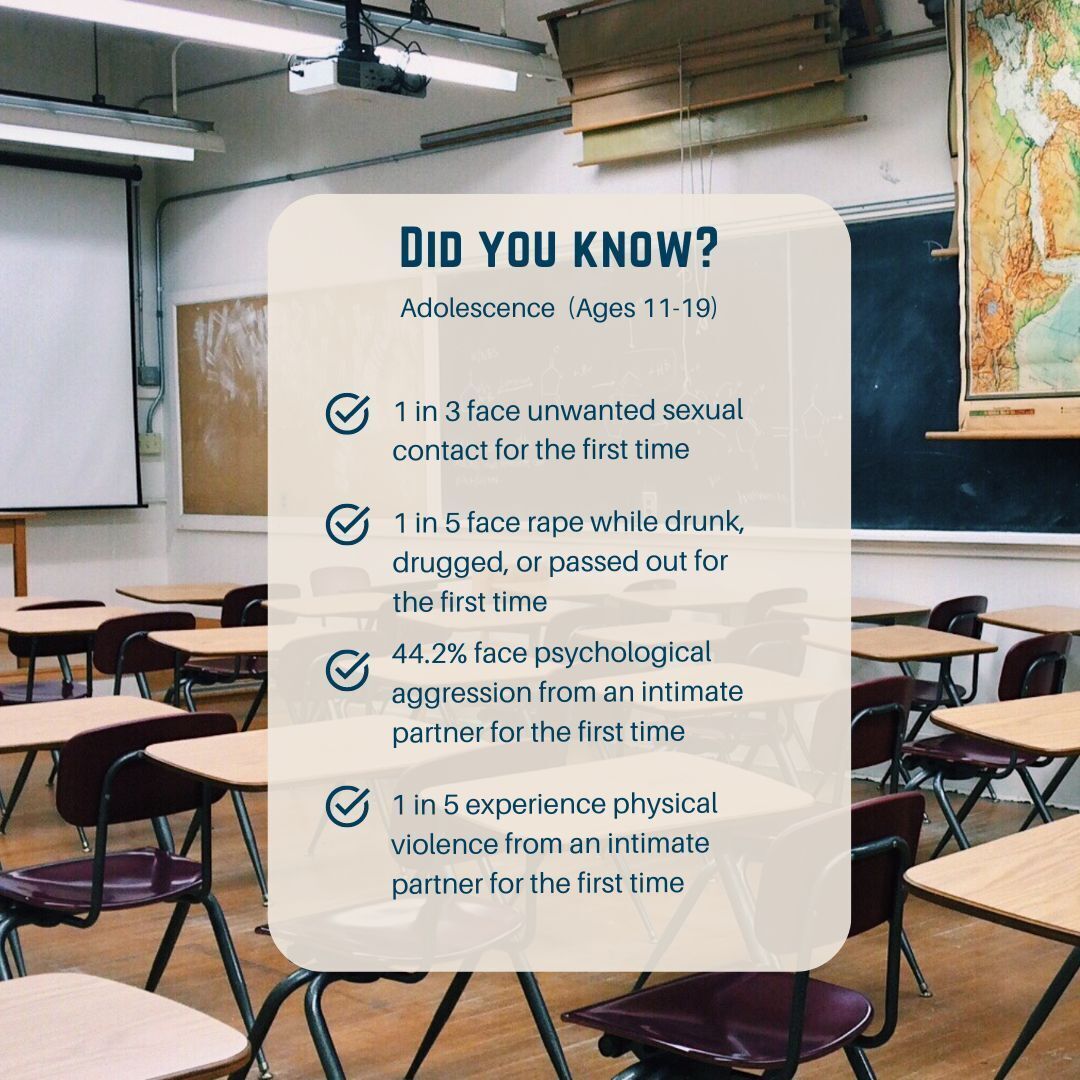
It is crucial to raise awareness about domestic violence and sexual assault among youth to foster a safe and supportive educational environment. Emphasixe that it's okay to seek help, and provide information about resources such as hotlines or support organizations. Empowering youth with knowledge and support to build healthier relationships will create a safer community for everyone.
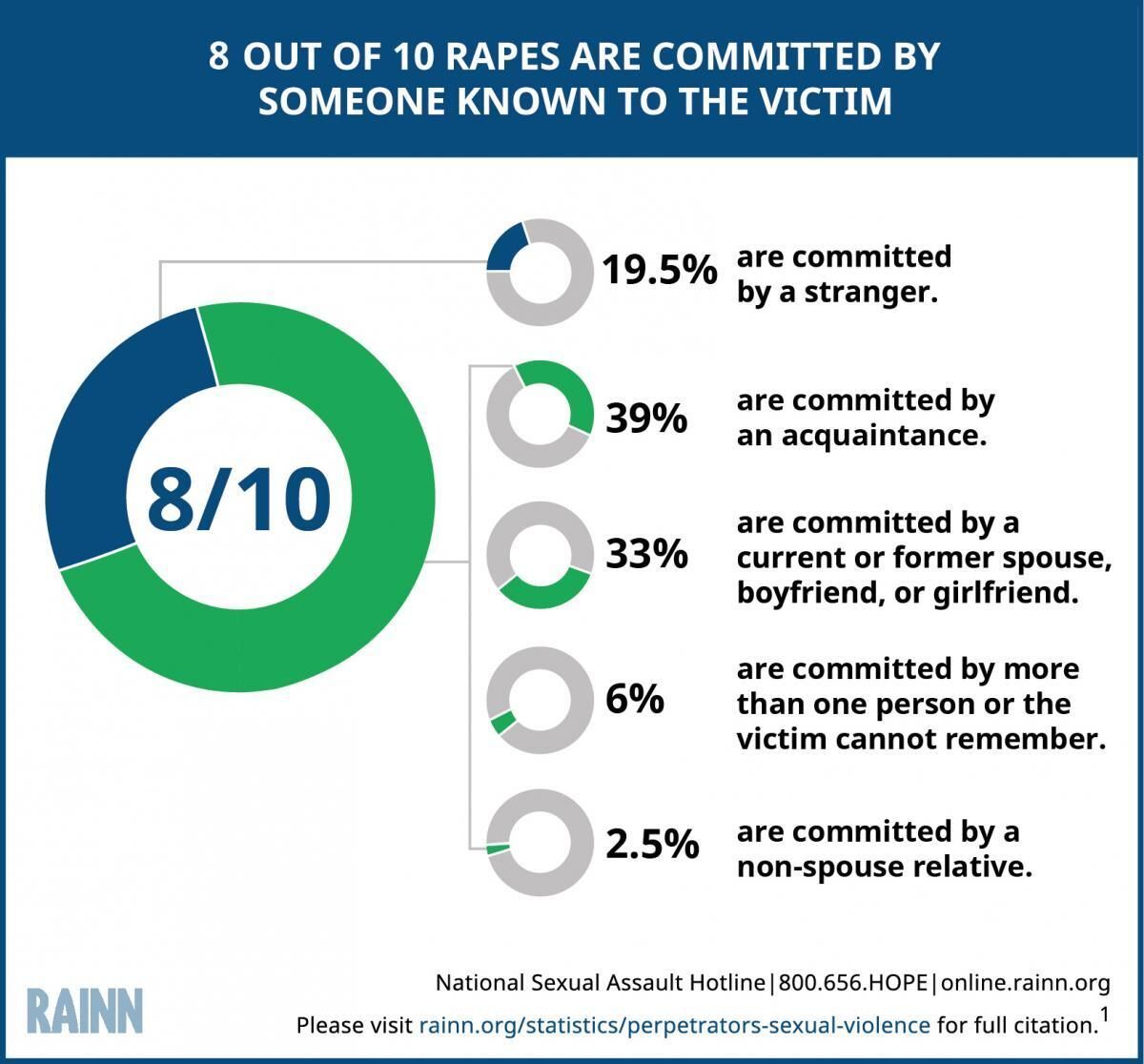
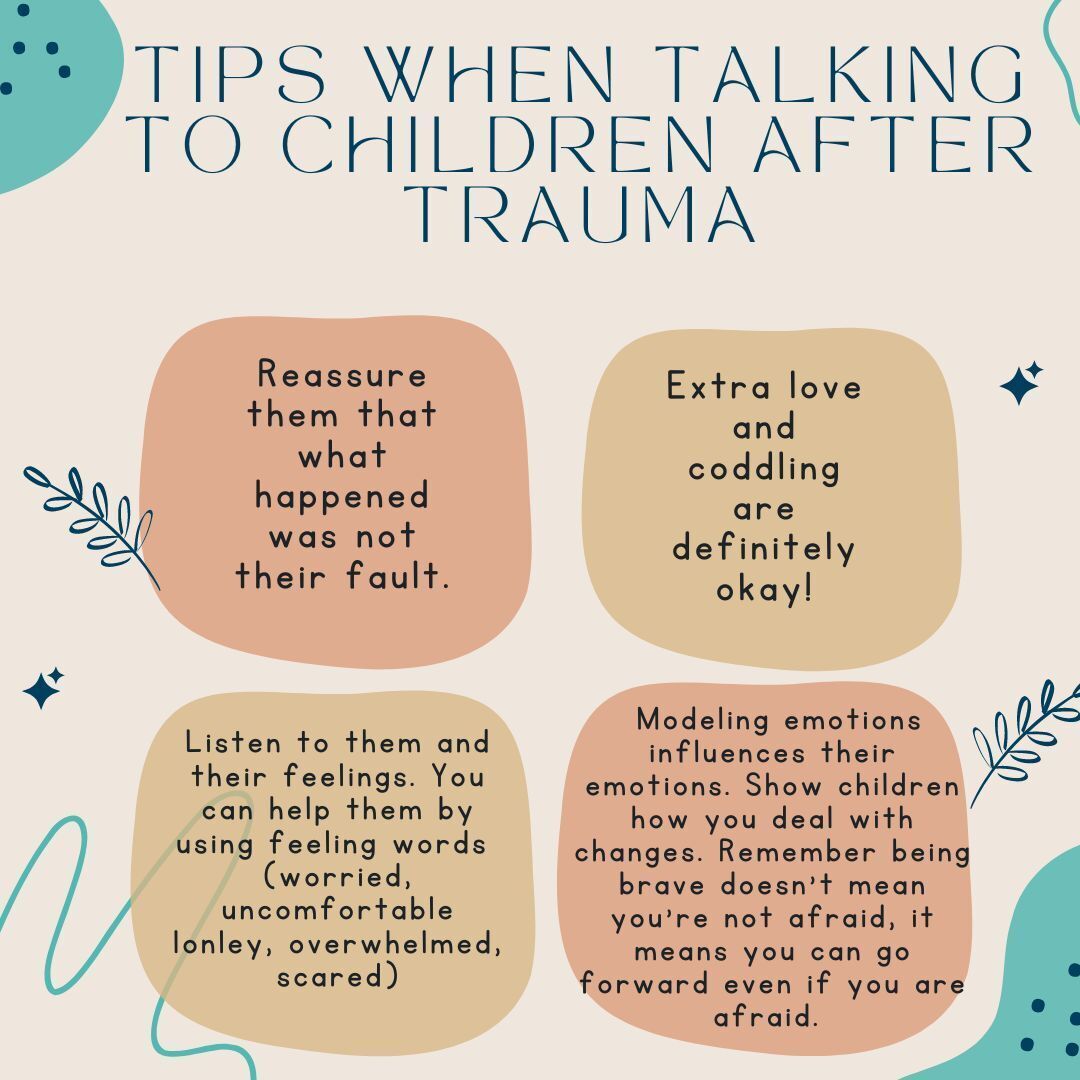
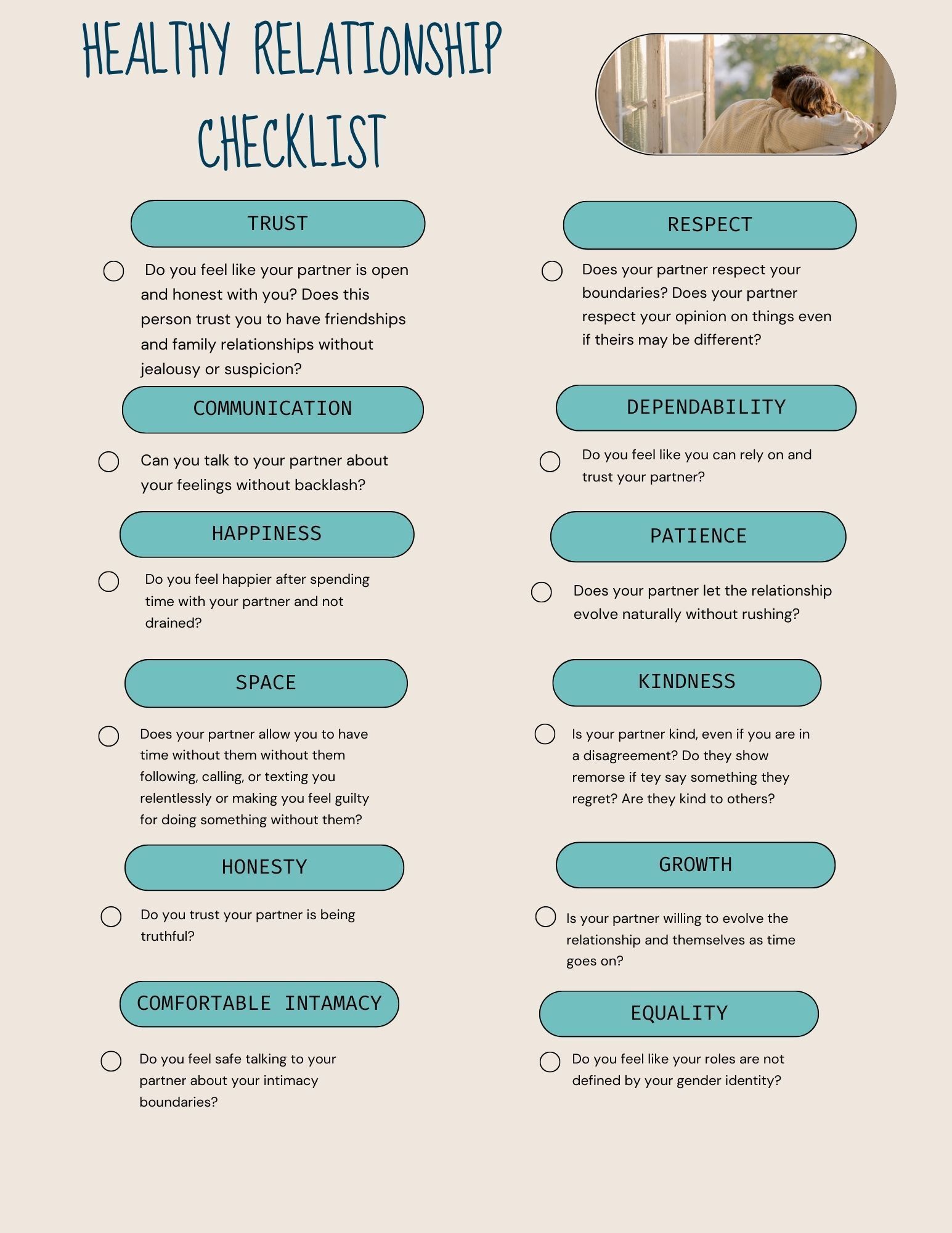
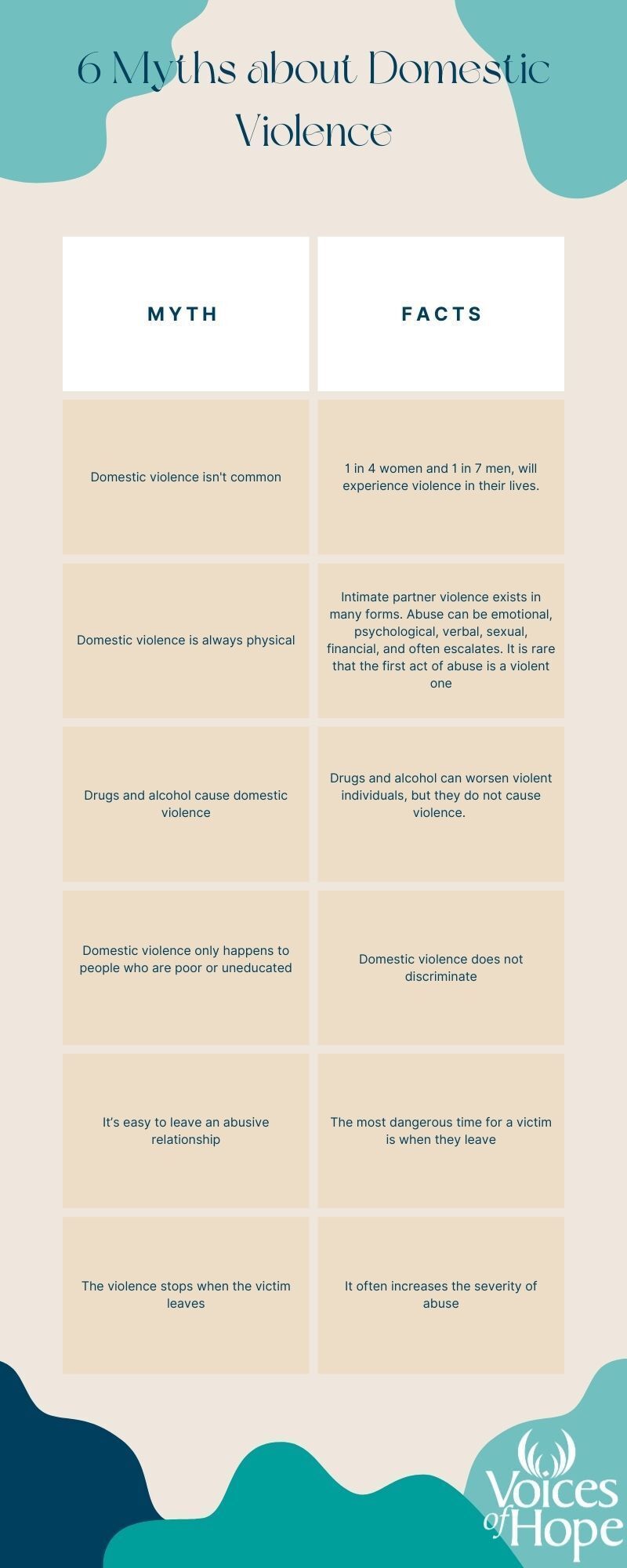
There is Help!

If you or someone you know is experiencing abuse, help is available. Advocates at Voices of Hope are here for you. Call our 24-hour Crisis Line: (402)475-7273.
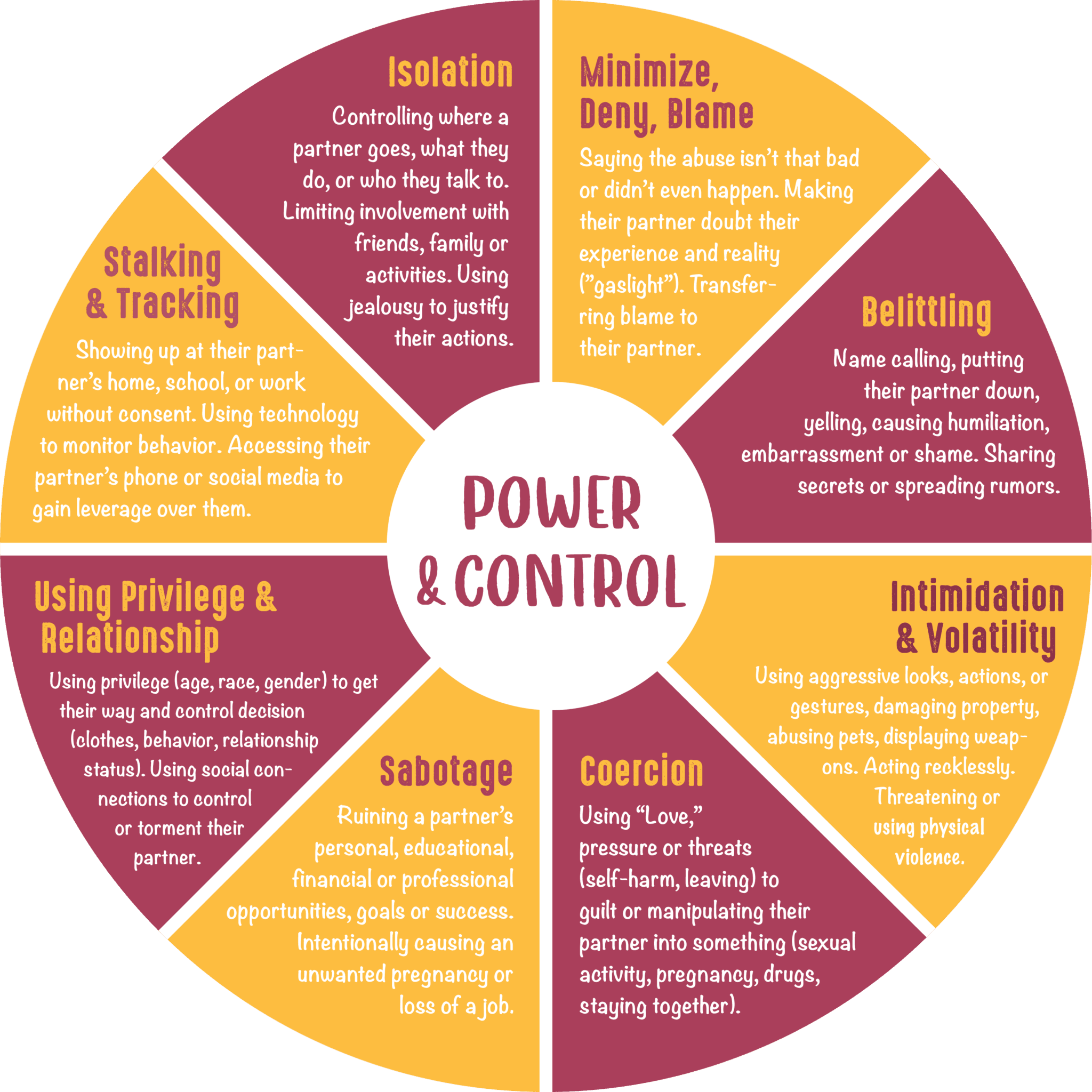
Some of the Tactics Used by Abusers Include:
- Economic abuse, denying the survivor access to money
- Coercion and threats, for example convincing the victim to do something illegal
- Intimidation keeps the victim fearful. An example can be breaking or throwing objects
- Emotional abuse such as degrading the victim
- Isolation, controlling when the victim can leave the home or limiting who the victim can talk to
- Minimizing their actions, denying, or blaming, such as gaslighting. For example, “look what you made me do”
- Using the children, for example, threatening to file for custody if the victim leaves
- Male privilege, to define men’s and women's roles
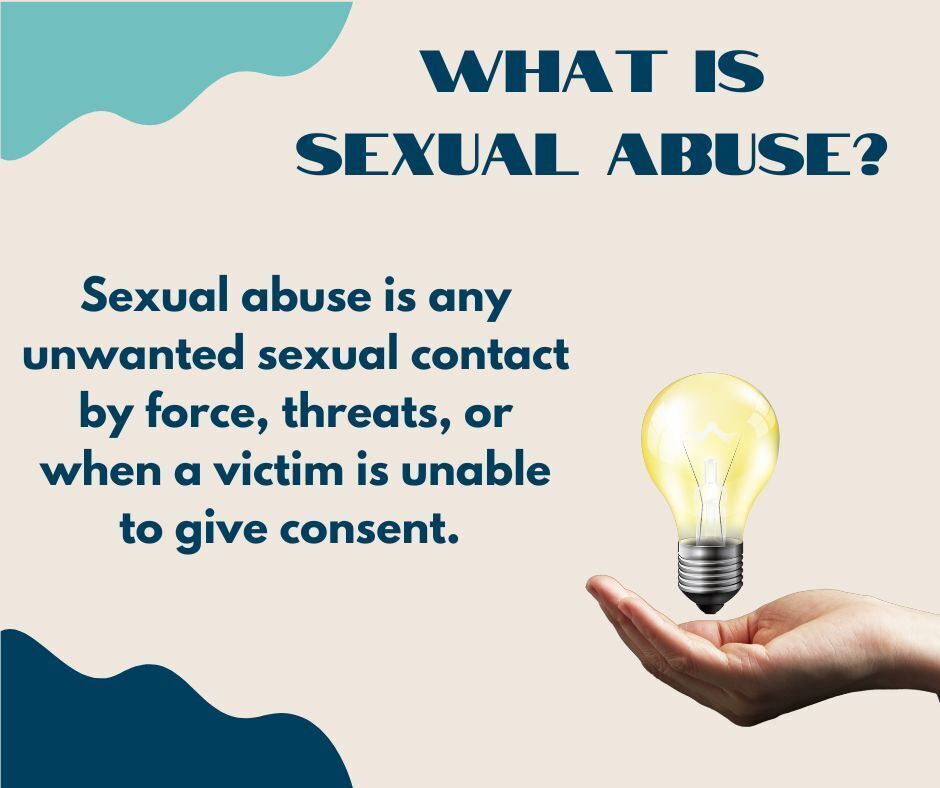
Sexual abuse is any unwanted sexual contact obtained by force, threats, or when a victim is unable to consent. In most cases, people who experience sexual abuse know the abuser. In fact, for half of women, the abuser is their intimate partner. This is because sexual abuse is not just about sex; it is one of the many ways an abuser exerts power and control over a partner.
15 Ways to Help Those Experiencing Abuse:

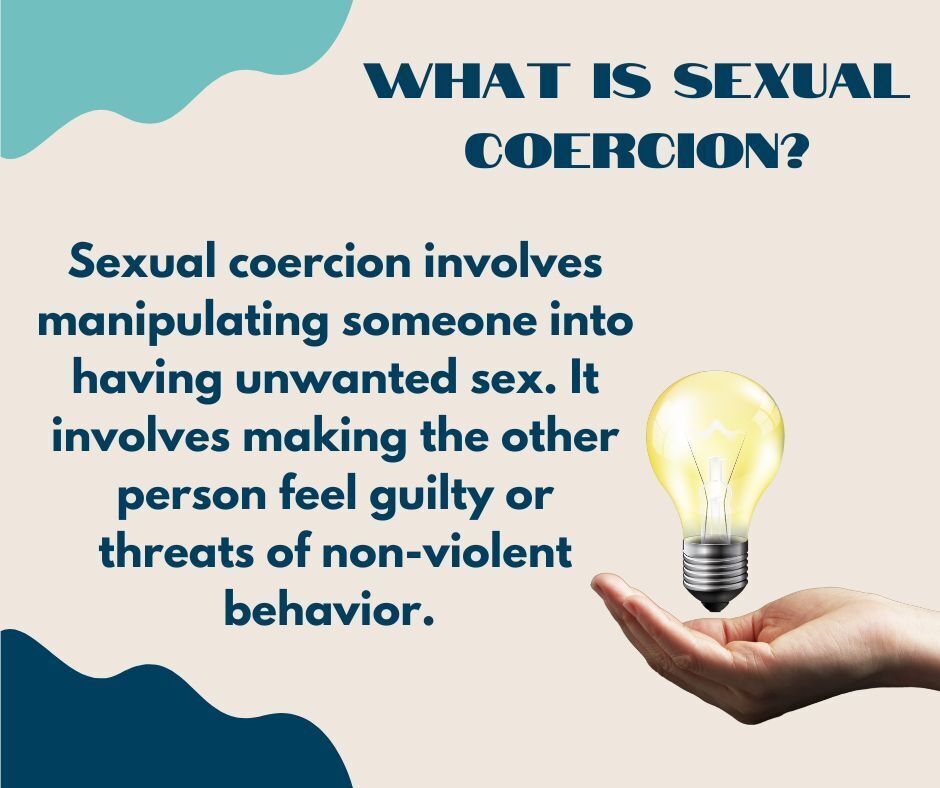
Sexual coercion is a form of sexual violence where an individual is pressured, manipulated, or forced into engaging in sexual acts against their will. This can occur through threats, intimidation, emotional manipulation, or abuse of power, leading the victim to feel they must comply to avoid negative consequences or harm. It differs from outright physical force, as it often involves subtler forms of coercive tactics that undermine the victim's autonomy and consent.
Photo credits: https://teen.newbegin.org/
- Ask what you can do to help
- Create a safety bag of essentials
- Let the victim make their own decisions
- Create a safety plan
- Set up a code word to signal an emergency
- Believe the victim
- Ask questions that allow the victim to consider and anticipate their future
- Assist in obtaining a protection order
- Help the victim recognize abuse
- Serve as a witness
- Recommend reading materials and resources
- Help find a domestic violence advocate
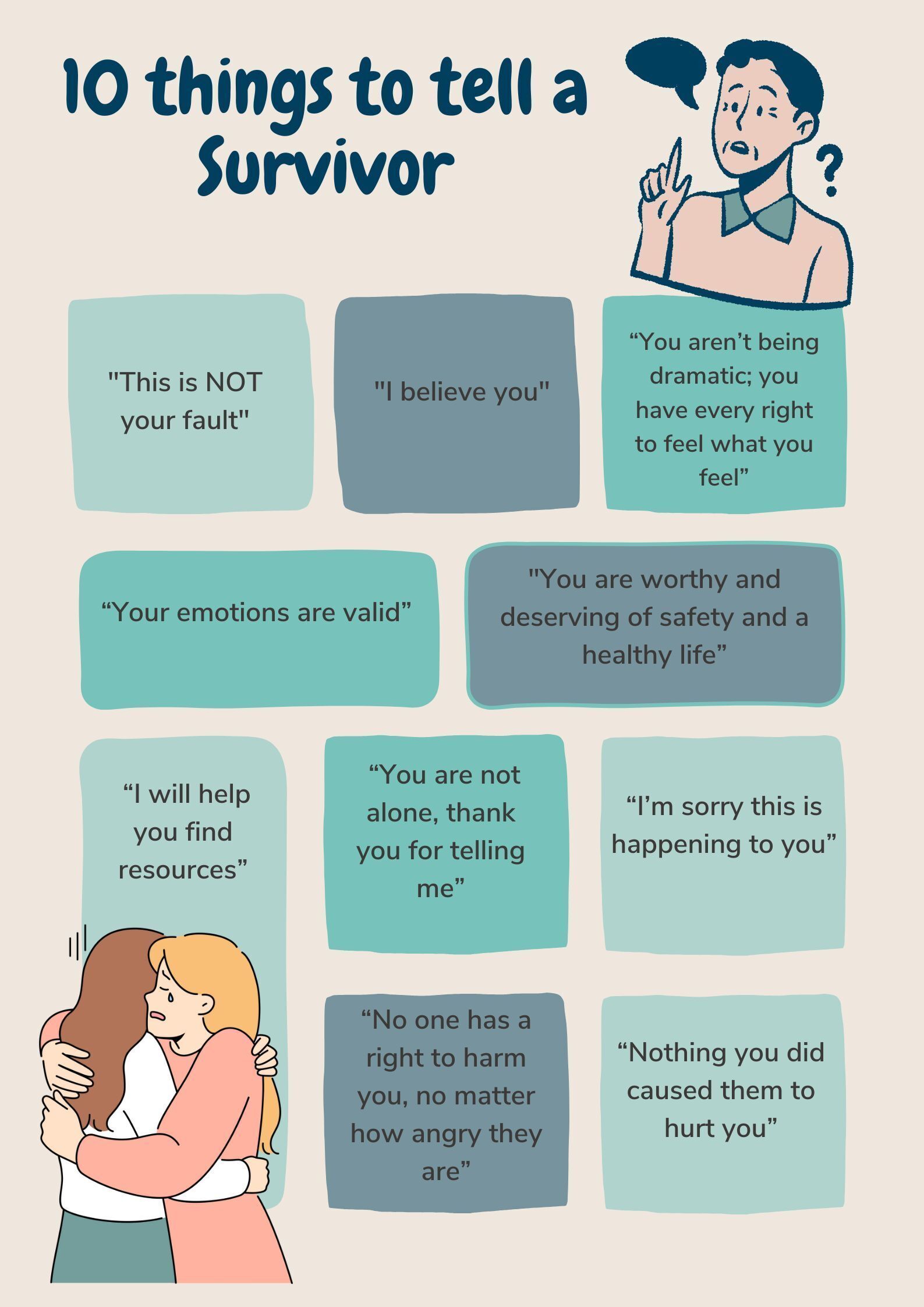
- Provide reassuring support “This is not your fault, I believe you”
- If possible, provide financial support
- Listen without judgement
What is A Saftey Plan?
A safety plan is a proactive form of protection that allows the survivor to identify potential risks or dangers in various situations and develop strategies in an effort to keep safe during or between abusive episodes. Safety plans can be adjusted to meet the individual’s specific needs and be adjusted continually. Survivors know their situation best, for that reason decisions are up to the survivor and what they consider the saftest and doable options. If you have experienced abuse or violence consider seeking help from a professional. Advocates at Voices of Hope can assist in developing a personalized safety plan if necessary.

Photo Credits: https://www.domesticshelters.org/
A Saftey Plan May Include:
- Obtaining a protection order
- Gathering important paperwork: Drivers license, social security cards, insurance cards, medications, birth certificates, etc.
- Travel Saftey: Change up your schedule or routine routes, having a bag ready with a trusted individual, or in your trunk.
- Communication plan: Determine how you will communicate with others during emergencies. This may involve having a designated meeting point or establishing a code word/signal to alert someone that you are in danger.
- Collect evidence: Screenshots of messages, photos of injuries, police reports, social media messages, screenshots of repeated calls, photos of items damaged, testimonies from any witnesses, etc.)
- Regular check-ins: Establish regular check-in procedures with loved ones or close friends so they know your whereabouts and can raise concerns if they don't hear from you within a specified timeframe.
- Emergency contacts: Include the names and phone numbers of trusted family members, friends, or neighbors who can be contacted in case of an emergency.
- Safe places: Identify safe locations where you can go if you feel threatened or need immediate assistance. These could be nearby police stations, hospitals, or public spaces with security personnel, or with a trusted individual.